Världen förändras och mode är inget undantag. Just nu intar en ny trend Sverige – vila kläder! Denna revolutionerande stil tar över landet med storm och vi kan inte få nog av dess bekväma, men ändå stilrena utseende. Häng med oss när vi utforskar denna nya trend som har tagit Sverige med storm!

Vad är vila kläder för något?
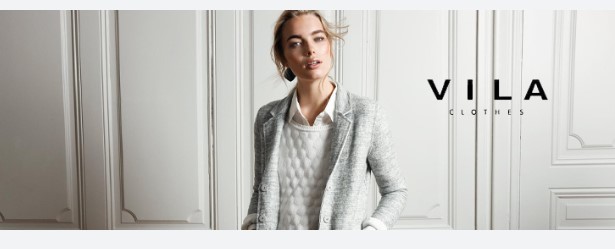
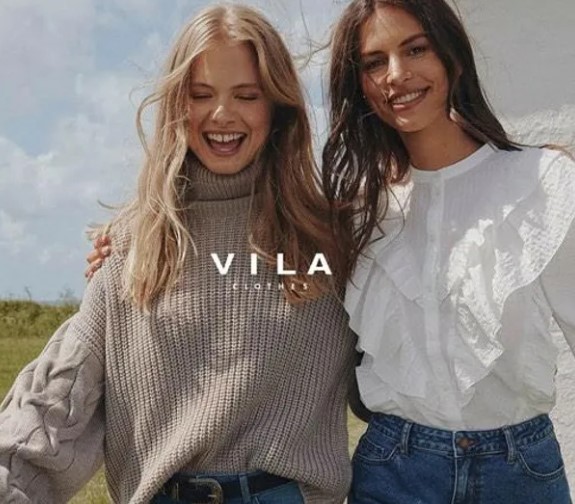
Vila kläder är ett svenskt varumärke som är känt för sin stilrena och avslappnade design. Svenska Vila kläder har tagit Sverige med storm och är idag ett av de mest populära märkena bland unga kvinnor. Vila erbjuder ett brett sortiment av moderna och trendiga plagg, allt från jeans och t-shirts till klänningar och skjortor.
Varför är vila kläder så populära?
Många märken har tagit fram en egen kollektion av vila, och det är inte svårt att förstå varför. Dessa bekväma och stilrena plagg är perfekta för den som vill slappna av i hemmet eller på semestern. De flesta av oss har nog minst ett par i garderoben, och många använder dem dagligen.
Det finns många olika typer av vila kläder, från boxare till tofflor och från t-shirts till hoodies. Oavsett vilka plagg man föredrar så är de därmed alla sköna att ha på sig när man vill koppla av och ta det lugnt. Många väljer att matcha dessa med lite finare plagg när de ska gå ut, men det är inte alls nödvändigt.
Vila kläder passar alla åldrar och storlekar, och det finns något för alla smaker. Dessut
Vilka typer av plagg finns det?
Det finns många olika typer av plagg som du kan välja mellan när du handlar på Vila. Vi har allt från klänningar och dessutom byxdressar, jeansshorts och t-shirts.
Hur bär man vila kläder på ett stiligt sätt?
Vila kläder är en av de mest populära modevarumärkena i Sverige. Detta företag grundades i Danmark 1986, och därefter har det vuxit sig till ett globalt varumärke med över 2 000 butiker världen över. I Sverige finns det flera Vila-butiker, från Stockholm till Göteborg.
Det finns olika sätt att bära Vila-kläder på ett stiligt sätt, men här är några tips:
Kombinera en Vila-blus med ett par tighta jeans på samma sätt. Blusarna har ofta snygga detaljer som gör dem lite mer intressanta än vanliga blusar. Ett par tighta jeans ger looken lite spunk.
Bär en Vila-topp med ett par leggings eller tights. Topparna är ofta avslappnade och bekväma, och passar därför perfekt till leggings eller tights. Detta är ett stiligt och bekvämt
Top 5 bästa vila kläder
- Morgonrockar är den perfekta typen av vila kläder för att vara bekväm i. De är sköna och luftiga, och de flesta av dem har en snygg design.
- Nätstrumpor är ett annat bra val för vila. De håller fötterna svala och torra, och de går att matcha med många olika typer av plagg.
- Tunikor är också ett bra val för vila kläder, eftersom de oftast är gjorda i sköna och mjuka material. De flesta tunikor har även en snygg passform, så att du ser bra ut när du bär dem.
- Byxor i lös passform är ett annat populärt val bland vila kläder. Dessa byxor ger dig rikligt med rörelsefrihet, samtidigt som de håller dig bekväm när du slappnar av på soffan eller i säng
Varför är vila kläder populära i Sverige?
Vila kläder har intagit Sverige på grund av dess unika stil och bekvämlighet. Vila kläder är en av de mest populära varumärkena i Sverige, och det finns många anledningar till detta. För det första är deras stil unik och passar perfekt för den svenska smaken. Deras kläder är också mycket bekväma att bära, och det gör dem mycket populära bland svenskar. De flesta av deras plagg är också gjorda av högkvalitativa material, vilket gör dem mycket varaktiga.
Vad är fördelarna med vila kläder?
Vila kläder är bekväma och snygga. De passar perfekt för alla tillfällen, både informella och formella. Vila kläder har en unik stil som gör att man bland annat ser ut och känner sig som en Hollywood-stjärna. De flesta vila kläder är gjorda av högkvalitativa material och syns inte igenom, vilket gör dem lätta att ha på sig i olika situationer.
Nackdelarna med vila kläder
Nackdelarna med vila kläder är få, men det finns några. De flesta människor anser att det är bekvämt och praktiskt att bära vila kläder. Andra upplever dock att de känner sig mer påklädda och avskurna från omvärlden när de bär dem. Dessutom kan vissa tycka att vila kläder är dyrare än andra typer av kläder.
Vila kläder för olika tillfällen
Det finns många olika typer av vila för olika tillfällen. Några exempel på tillfällen då man kan använda vila kläder är när man ska till ett bröllop, en fest, eller bara gå ut och ta en promenad. Vila finns i många olika stilar och det är lätt att hitta något som passar just dig och dina behov.
Varför har vila kläder blivit populärt i Sverige?
Vila kläder har intagit Sverige
Varför har vila kläder blivit populärt i Sverige? Det finns många anledningar till att vila kläder har blivit så populära i Sverige. För det första är det en mycket bekväm och funktionell typ av klädsel. De flesta vila kläderna är gjorda av mycket sköna och stretchiga material, vilket gör dem perfekta att ha på sig när man vill vara bekväm. Dessutom är de ofta lite mer casual och avslappnade än andra typer av klädsel, vilket passar många personer bra.
Det finns också många olika stilar av vila kläder att välja mellan, så det finns något för alla smaker. Oavsett om du föredrar en sportig look eller en mer feminin stil, kan du hitta något som passar dig bland vila kläderna. Dessutom är
Vem startade mandeldesign?
Mandel Design grundades av Johan Mandel i Stockholm år 2006. Johan Mandel är en skandinavisk designer som sammantaget arbetat inom mode- och inredningsbranschen i flera år. Med sin passion för design och kreativitet startade han Mandel Design med syfte att skapa unika och stilrena produkter för den moderna livsstilen.
Mandel Designs produkter omfattar allt från kläder till heminredning, och alltid med en skandinavisk touch. Johan Mandels mål är att skapa produkter som gör vardagen lite mer lyxig, och som man kan njuta av i många år framöver. I dag finns Mandel Design representerat i flera butiker runt om i Sverige, samt på deras egen webbutik.
Vad ska man tänka på när man handlar kläder?
Det finns några saker att tänka på när man handlar kläder, oavsett om det är i butik eller online. Först och främst bör du titta på storleken. Se till att dina mått stämmer med måtten på plaggets storleksetikett. Detta gäller särskilt för byxor och kjolar. Om du handlar kläder online, se till att du följer deras storleksguide noga.
När det gäller materialet, titta på tyget och se hur det kommer att falla på din kropp. Klassiska tyger som bomull och linne är bra val för de flesta body types. Bomull återfuktar Din hud och andas utan problem, medan linne är luftigt och snyggt faller på de flesta formerna av kroppen – perfekt för varma dagar eller layering under en jacka eller blazer.
Vilka är dom största klädmärkena 2023
There are many different clothing brands that are popular in Sweden, but there are a few that stand out above the rest. These are the biggest clothing brands of 2023:
1. H&M
2. Ikea
3. Zara
4. Lindex
5. Acne Studios
Nya modetrender sommaren 2023
Sommaren 2023 kommer att vara en spännande säsong när det gäller mode. Vi kommer se en hel del intressanta trender, från färgglada plagg till luftiga kjolar och skjortor. Här är ett urval av de mest intressanta modetrenderna som vi tror kommer att dominera under sommaren 2023:
– Färgstarka plagg: Detta är en trend som vi har sett vuxna i flera år, men som nu verkar ta fart bland unga vuxna också. Vi tror att för sommaren 2023 kommer det att bli vanligt att se personer både i butiker och på gatan bära starka färgkontrasterande plagg. Plaggen kommer troligtvis att vara av relativt enkla snitt, med tydliga linjer och former.
– Luftiga skjortor och kjolar: Efter flera års tajta jeans och klänningar är det nu dags för lite mer luftiga plagg. Vi
Vad ska jag handla för kläder till våran 2023?
Det finns många olika typer av kläder som du kan handla för att fylla din garderob inför 2023. Allt från enkla basplagg till mer trendiga och eleganta plagg. Du bör försöka tänka på vilka typer av aktiviteter och evenemang du planerar att gå på under året, så att du handlar kläder som passar dina behov.
Basplagg:
En bra grundgarderob innehåller alltid ett par jeans, en skjorta, en stickad tröja och en kappa eller jacka. Dessa plagg är användbara i många olika situationer och kan kombineras på flera olika sätt. Du bör välja plagg i neutrala färger som svart, grått eller beige, så att de går att matcha med andra plagg i din garderob.
Trendiga och eleganta plagg:
För de mer trendiga och eleganta tillfällena finns det massor av spännande kläder att
Slutsats
Klädmärken som tidigare bara sålde funktionella och sportiga plagg, har nu börjat tillverka och sälja mer avslappnade och bekväma kläder. Detta är en trend som har blivit alltmer vanlig i Sverige under det senaste året. Många människor uppskattar de nya plaggen eftersom de är sköna att bära och passar bra till vardags.